
In This Section
Music
Our Aim
At Henry Chichele Primary School (HCPS), all children receive regular weekly curriculum music lessons.
The teaching of music is further enhanced through external support through the Northamptonshire Music and Arts Trust (NMPAT).
The teaching of music is delivered through activities that integrate musical learning into the school day to deliver a broad and balanced curriculum offer for our pupils. Musical learning includes performance, composition and aural based activities, targeting key musical elements throughout the academic year, and giving children the freedom to express themselves creatively, whilst developing knowledge and skills using instruments and voices. We also have a weekly singing assembly to further consolidate their learning.
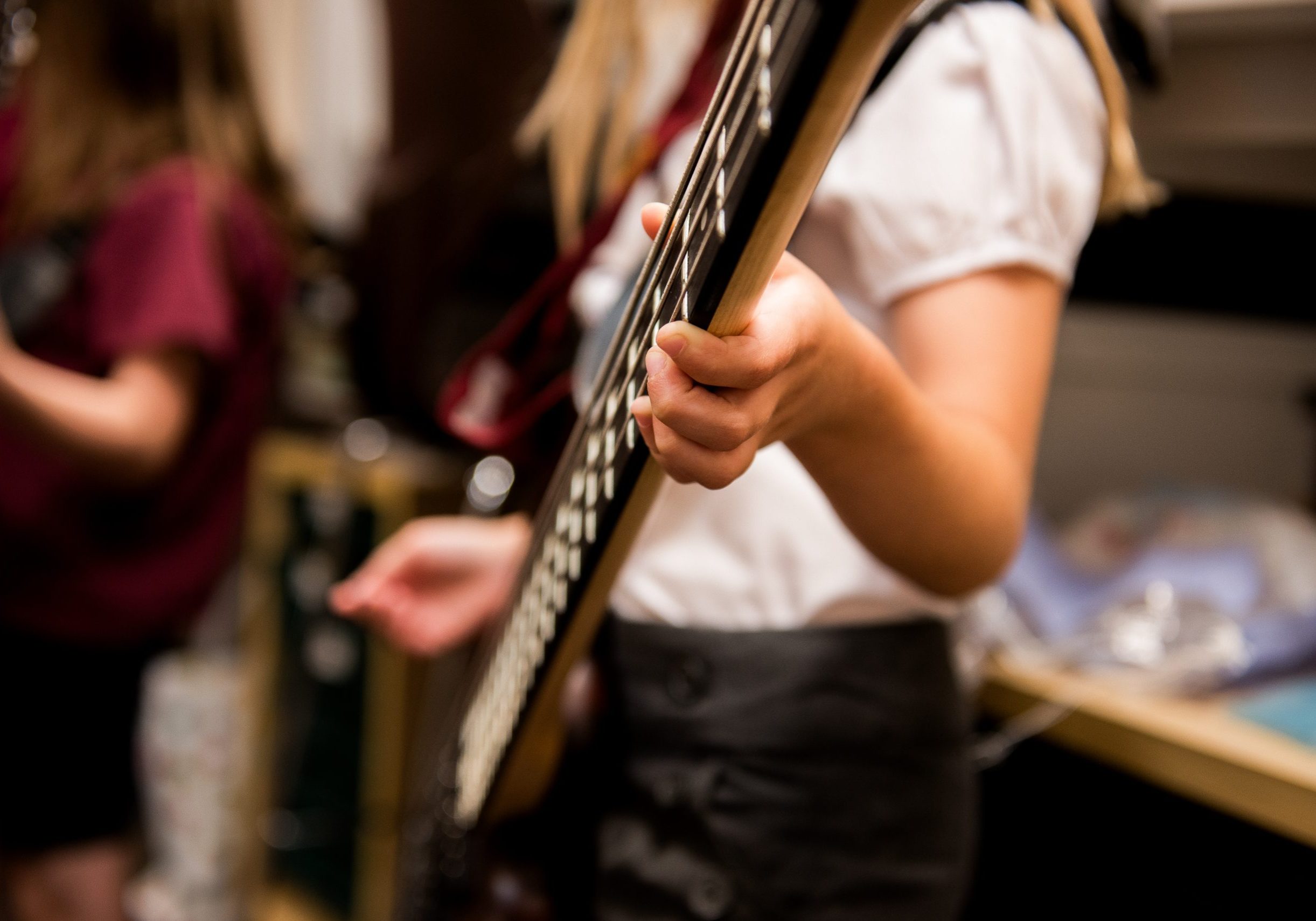
Through the teaching of music we provide our pupils with the opportunity to play and learn a range of musical instruments. Supported through our music teacher and other external service providers (such as NMPAT and RockSteady), we also offer continuation lessons for those children wanting to continue to learn to play an instrument.
At HCPS, we use The Charanga Musical School Scheme to support the delivery of music through our curriculum. This scheme supports all the requirements of the national curriculum and enables the children to understand musical concepts through a repetition-based approach to learning. Learning about the same musical concept through different musical activities enables a more secure, deeper learning and mastery of musical skills.
Each unit comprises of the strands of musical learning which correspond with the national curriculum for music.
1. Listening and Appraising
2. Musical Activities
- a. Warm-up Games
- b. Optional Flexible Games
- c. Singing
- d. Playing instruments
- e. Improvisation
- f. Composition
3. Performing
The HC Way
Please open the following file for an overview of our curriculum for Music.
Model Music Curriculum Mapping
Assessment
- I understand and can respond to music in simple and complex time signatures.
- I can find and keep a steady beat/pulse.
- I can listen and copy back complex rhythmic patterns including triplets, dotted notes and semiquavers as a call and response exercise, both aurally and visually.
How We Teach Music in Reception (EYFS) and Year 1/2 (Key Stage 1).
Music in Early Years Foundation Stage
In the Early Years, music is not taught as a standalone subject, but it is woven naturally into our everyday learning. Musical instruments are always available during continuous provision, giving children the freedom to explore sounds, rhythms and creative expression throughout the day.
We also enjoy using boom whackers as part of our Danny Go brain-break sessions. These lively musical moments help children re-energise, develop coordination and experience the joy of making music together.
Music is also a valuable tool in our early maths work. Songs, rhythms and musical games are regularly used to support counting skills, helping children learn in a fun, memorable way.
Music is all around us in EYFS – supporting play, learning and happy, active classrooms!
Here’s a clear and polished newsletter entry for Year 1/2 music:
Music in Year 1/2
In Year 1/2, children enjoy a rich and varied music curriculum. Music is taught every other week, giving pupils regular opportunities to build their skills and confidence. We follow the Charanga scheme of work, which supports progressive learning through songs, movement, listening and performing.
Throughout the year, the children will:
- Explore the Musical Spotlights and Social Questions within each unit.
- Demonstrate that music is a combination of pulse, rhythm and pitch – the foundations of every song they learn.
- Continue to listen to and learn about a wide range of musical styles, beginning to recognise different sounds and how they work together to create harmony.
- Sing and move with a growing understanding of how pulse, rhythm and pitch fit together.
- Play instruments together and enjoy learning to perform as part of a band or ensemble.
- Explore improvisation further, experimenting with using a wider selection of notes.
- Develop their own compositions to tell stories, using tools such as Create a Graphic Score and the Music Explorer resources.
Music continues to be an exciting and joyful part of our curriculum, and we look forward to seeing the children’s musical confidence grow throughout the year!
Would like to know more?
Please contact our Music Lead, Mr Abbott, through our school office or by using the contact form.

Rocksteady deliver inclusive band lessons designed to amplify children’s self-belief, support wellbeing and help maximise their potential back in the classroom.
These sessions occur during school hours.
Please find further information via their website:
Home - Rocksteady Music School


