In This Section
Art & Design
Our Aim
Our aim is to develop creativity through a range of visual, tactile and sensory experiences. The development of learning builds up across all the key stages ensuring an awareness of the role and purpose of art and design.

The HC Way
Art and Design Pathway_Digital
Assessment
At our school, we follow the Lion Learning Pathways curriculum for Art, which allows children to develop their artistic skills in a clear and structured way from Year 1 to Year 6. Each unit is thoughtfully planned to help pupils grow in creativity, build technical skills and explore a range of art forms.
Assessment in Art is ongoing and purposeful. Teachers observe pupils’ progress during lessons and children are encouraged to reflect on their own work—thinking about what they’ve learned, what they’re proud of and what they could improve. Sketchbooks play an important role in this process; they’re used not just for final pieces, but as creative thinking spaces where children can experiment, annotate and develop their ideas.
At the end of each unit, we use End of Unit Assessment grids, which allow pupils to self-assess their learning. These help children recognise whether they needed support, worked independently or were confident enough to explain their learning to others. This reflective approach helps children take ownership of their learning and ensures we can support and celebrate every child’s artistic journey.

DT in Key Stage 1 (KS1) and Early Years Foundation Stage (EYFS)
In Year 1 and Year 2, Design & Technology is taught through the Lion Academy curriculum topics, providing pupils with a structured progression of practical skills and technical knowledge. Each lesson begins with a whole-class input where children learn key techniques, such as cutting, joining, building, and evaluating products, alongside important concepts like purpose, function and user needs. Pupils then complete a focused task either with adult support or independently, allowing them to apply these skills in meaningful, hands-on projects. This approach directly reflects the KS1 National Curriculum for D&T, which requires pupils to design purposeful products, use a range of tools and materials safely and evaluate their creations. Continuous provision further enhances learning by offering designing and making areas where children can independently revisit techniques, experiment with materials and refine their ideas. This blend of explicit teaching, guided practice and creative exploration supports curriculum expectations while developing problem-solving, resilience and confidence.
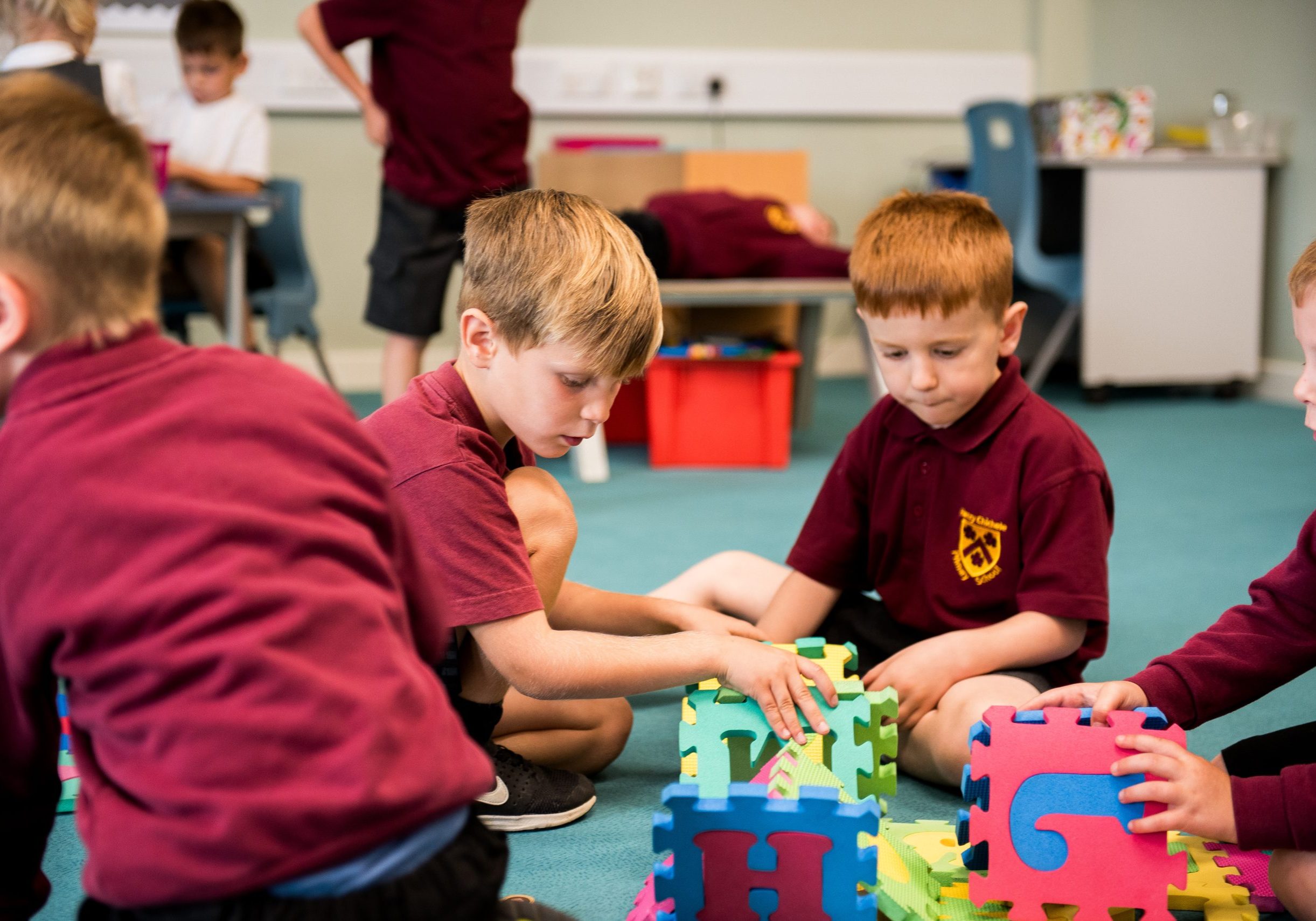
In EYFS, Design & Technology is embedded within the Expressive Arts & Design and Physical Development areas of learning. Children take part in adult-guided activities that introduce early skills such as joining materials, selecting tools and exploring construction. Continuous provision plays a central role, providing open-ended opportunities for pupils to design, build and experiment independently. Through this mix of supported tasks and free exploration, children develop curiosity, creativity and early technical understanding, ensuring a smooth transition into the more structured D&T curriculum in KS1.
Art in Key Stage 1 (KS1) and Early Years Foundation Stage (EYFS)
At our school, Art in Year 1 and Year 2 is taught through the Lion Academy curriculum topics, giving pupils a rich and structured foundation in creative skills. Each art lesson begins with a whole-class input, where children are introduced to key techniques and knowledge in a clear, engaging way. Pupils then work with adults or independently to complete a task that allows them to practise and apply the specific skill they have just learned. This approach aligns closely with the KS1 National Curriculum for art and design, which requires pupils to use a range of materials creatively, develop techniques in colour, pattern, texture, line, shape, form and space, and learn about the work of a range of artists. Alongside these lessons, our continuous provision approach provides well-resourced creative areas within the classroom, enabling children to independently revisit and refine their skills through self-directed exploration. This balance of direct teaching, supported practice and independent creativity supports curriculum expectations while helping pupils build confidence, artistry and a love of learning.
In EYFS, Expressive Arts & Design is woven throughout the provision offered to pupils, laying the foundations for the structured teaching they experience in KS1. Children engage in key art and design skills through directed tasks with adults, while continuous provision ensures that creative areas are always available for independent exploration. This enables pupils to practise, revisit and refine emerging skills in a way that nurtures curiosity, imagination and confidence, ensuring a smooth and developmentally appropriate progression into the KS1 art curriculum.
Would like to know more?
Please contact our art Lead, Miss. A Jones, through our school office or by using the contact form.


